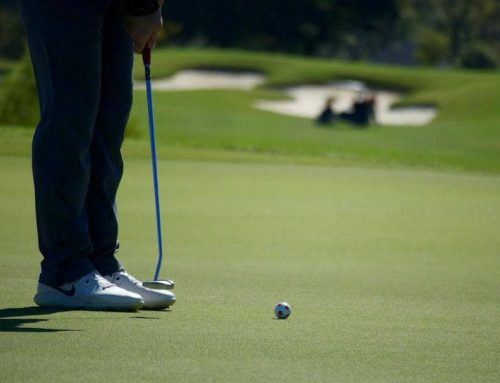
Golf, at first glance, appears serene—its pace leisurely, its impact seemingly gentle. Yet beneath the manicured greens, golfers can get injuries. Despite its non-contact nature, golf generates a remarkable incidence of musculoskeletal injuries, particularly among amateur players. The irony is clear: while golf avoids the bruising collisions of contact sports, it taxes the body in subtler, repetitive, and more understated ways.
Why Golf Injuries Are So Prevalent
The sport’s injury risk stems not from explosive bursts or collisions, but from refined repetition. Swinging a golf club—often hundreds of times a week—places continuous strain on the same muscle groups and joints. This repetition, when combined with flawed technique or ageing tissues, catalyses a cascade of orthopaedic complaints.
Compounding this, many recreational golfers skip warm-ups and rarely receive professional instruction. With most weekend golfers aged over 40, their joints and connective tissues are already more vulnerable to microtraumas that accumulate over time.
Back Injuries
Lower back pain is the most ubiquitous affliction in the golfing population. The swing’s asymmetrical and torque-heavy motion hyper-rotates the lumbar spine, especially if hip mobility is restricted.
Common culprits include:
- Muscle strains and ligament sprains: These soft tissue injuries arise from overextension or poor swing mechanics. Pain is often sharp, localised, and exacerbated by movement.
- Disc injuries: Herniated or degenerated spinal discs are aggravated by the flexion-extension dynamics of the swing. Golfers with pre-existing spinal issues may experience nerve impingement, radiating pain, or sciatica-like symptoms.
- Facet joint arthritis: Chronic stress wears down cartilage, leading to stiffness, inflammation, and bone-on-bone contact.
- Vertebral stress fractures: Less common but concerning, especially in dedicated amateurs who practice excessively with poor form. Symptoms may be dull, persistent, and masked as general fatigue.
Read More: How to Stay Hydrated on the Golf Course
Shoulder Injuries
The shoulders act as a pivot during the swing, making them a focal point for repetitive stress injuries. Shoulder ailments in golf are often multifactorial, arising from overuse, joint instability, or compensatory motion.
Key shoulder issues include:
- Subacromial impingement: Tendons of the rotator cuff get trapped under the acromion during the downswing, leading to inflammation and pain with overhead motion.
- Rotator cuff tears: Partial or full-thickness tears often manifest as weakness and night pain, particularly when lying on the affected side.
- SLAP (Superior Labrum Anterior to Posterior) tear: Caused by violent traction or extreme external rotation, this injury destabilises the shoulder socket and may trigger clicking sensations.
- AC joint pathology: The acromioclavicular joint at the top of the shoulder can become irritated or arthritic due to constant movement and compression.
- Instability: Repeated minor dislocations or subluxations can degrade performance and increase injury recurrence without the golfer realising the full extent of the damage.
Elbow Injuries
Elbow injuries are emblematic of the sport’s namesake ailment: medial epicondylitis, or golfer’s elbow. Yet lateral epicondylitis—commonly known as tennis elbow—is just as prevalent among golf enthusiasts.
Injury types include:
- Golfer’s Elbow (Medial Epicondylitis): Pain is centered on the inner elbow. Caused by overuse of the wrist flexor muscles during gripping and swinging.
- Tennis Elbow (Lateral Epicondylitis): Despite the name, lateral elbow pain occurs frequently in golfers, especially those with poor wrist control or incorrect swing mechanics.
Both conditions result from microtears in the tendons and manifest as aching pain, weakened grip strength, and tenderness along the forearm.
Wrist Injuries
The wrists are the final link in the kinetic chain of the golf swing—and often the most overlooked. They play a pivotal role in controlling the clubface and absorbing impact.
Common wrist injuries include:
- Wrist sprains: These result from abrupt trauma—such as hitting a rock or tree root. Ligamentous injury presents as swelling, bruising, and instability.
- Tendonitis: Overuse of the wrist flexors or extensors leads to inflammation and pain, particularly during impact or follow-through.
- Carpal tunnel syndrome: Compression of the median nerve within the wrist’s carpal tunnel causes tingling, numbness, and a weakened grip—especially problematic for finesse shots and putting.
Contributing Factors and Injury Mechanisms
Several recurring patterns underlie most golfing injuries:
- Poor swing mechanics: Improper posture or swing path increases torque and strain on joints.
- Lack of warm-up: Muscles and tendons are more susceptible to microtrauma when cold and stiff.
- Overuse: Practising excessively without adequate recovery leads to cumulative stress and fatigue-based injuries.
- Static hips and aggressive shoulder rotation: Modern swing techniques emphasising “coil and release” amplify the rotational stress on the spine and shoulders.
Read More: How to Warm Up Before a Round of Golf
Treatment and Rehabilitation
Early diagnosis is paramount. Most golf-related injuries respond well to conservative interventions:
- Rest and activity modification: Avoiding aggravating movements can halt the progression of overuse injuries.
- Physiotherapy: A tailored regimen of strengthening, mobilisation, and manual therapy restores function and alleviates pain.
- Anti-inflammatory medications: NSAIDs or corticosteroid injections may be indicated for severe inflammation.
- Supportive devices: Braces, orthotics, or kinesiology tape can offload stressed areas during healing.
- Surgical intervention: Rarely necessary, reserved for cases involving structural damage unresponsive to conservative care.
Injury Prevention Strategies
Prevention hinges on a proactive and holistic approach:
- Warm-up routines: Dynamic stretching, mobility drills, and light cardio prep the body for play.
- Strength training: Core stability, shoulder conditioning, and grip strength mitigate risk.
- Professional instruction: Coaches refine technique and ensure biomechanical efficiency.
- Recovery protocols: Hydration, nutrition, rest days, and self-myofascial release keep tissues resilient.
- Ergonomic equipment: Proper club fitting and grip size minimise strain and enhance control.
Ready to Play Smarter, Safer Golf?
Whether you’re new to the game or a seasoned player, injury-free golf starts with the right support. At West Essex Golf Club, just outside London, we offer personal coaching to perfect your swing, Trackman technology to fine-tune your technique, and an inclusive, welcoming environment for golfers of all abilities. Join us at the clubhouse to connect with fellow enthusiasts, share insights, and enjoy the game the way it was meant to be played—with precision and care.
Speak to our team today to become a member of a golf club near London!